Repair ships race to restore undersea cables after Red Sea outage
Traffic between Europe, Africa and Asia has been rerouted around the damage, slowing connections for millions of users.
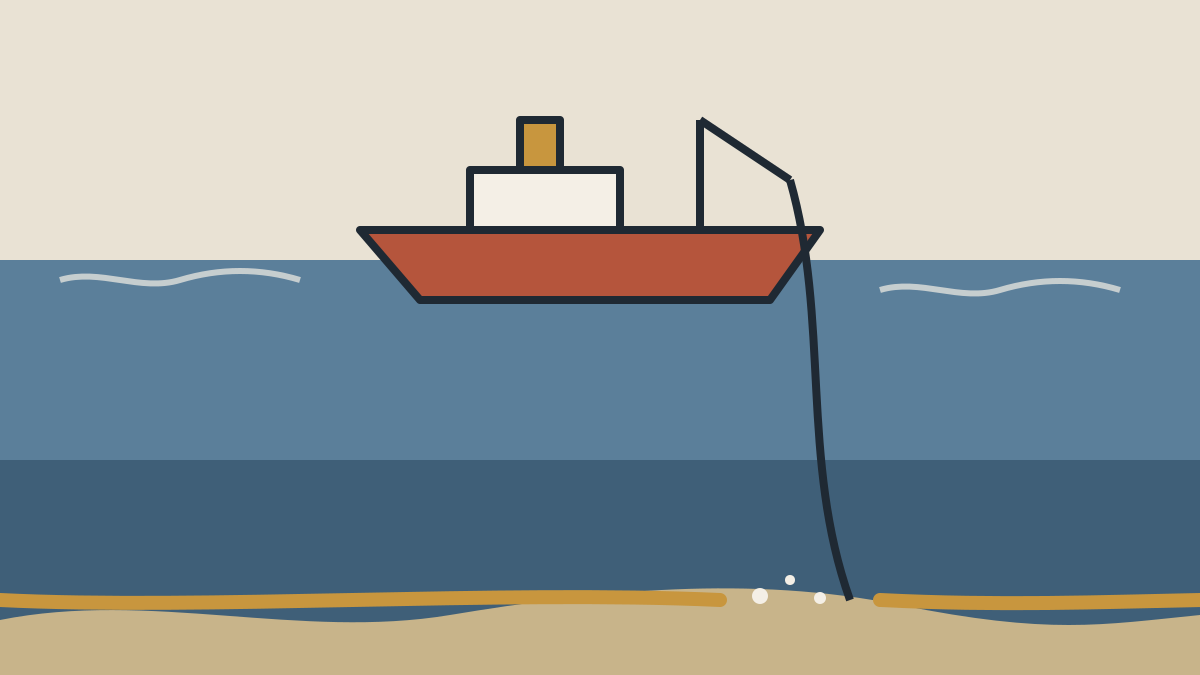
Two specialized repair vessels arrived on Thursday at the site of a subsea cable break in the Red Sea, where damage to three fiber-optic systems last week disrupted internet traffic between Europe, East Africa and South Asia.
The cause of the damage remains under investigation. Operators of the affected systems said early evidence pointed to a ship’s anchor dragged along the seabed during a storm, though they cautioned that a full assessment would take weeks.
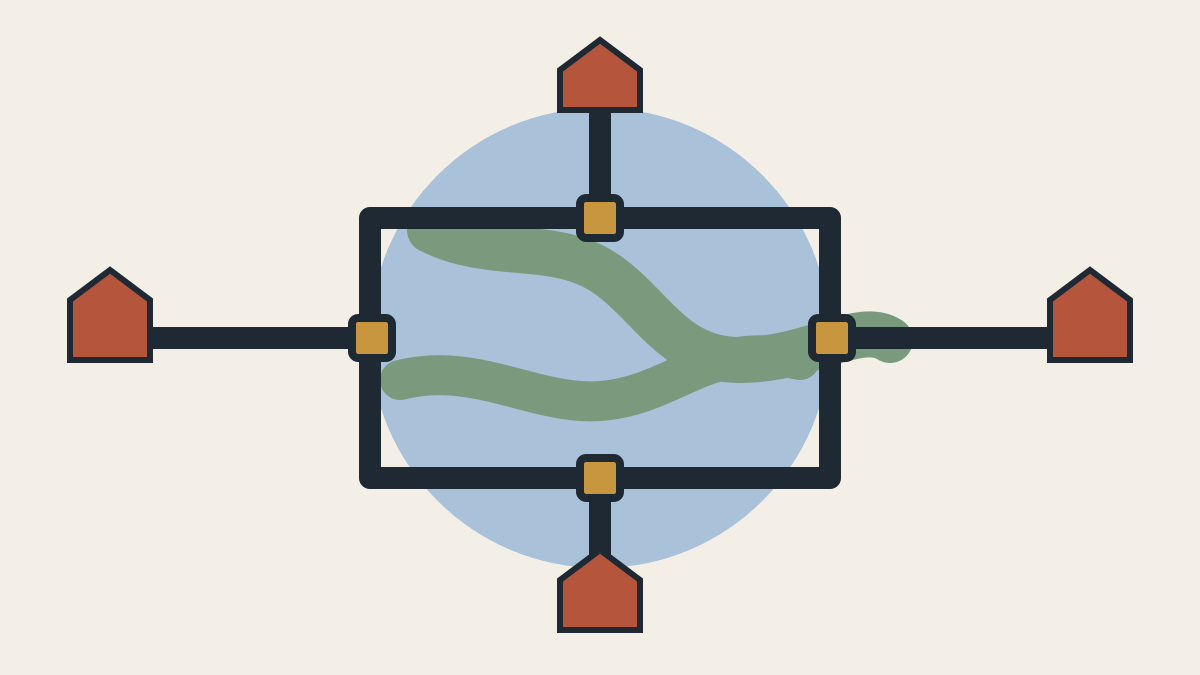
Network operators have rerouted much of the affected traffic over alternative paths, including cables that run around the southern tip of Africa and overland routes through the Middle East. Users in several countries reported slower connections and intermittent outages, particularly for services hosted far from their region.
A delicate operation
Repairing a subsea cable is painstaking work. Crews must first locate the break, sometimes thousands of meters below the surface, then use a grapnel to hoist each end of the damaged cable to the ship. Technicians splice in a new section on deck — a process that can take a day or more for a single fiber pair — before lowering the repaired cable back to the seafloor.
“Weather is the biggest variable,” said a spokesperson for one of the cable consortiums. “If the seas cooperate, we expect the first system to be restored within ten days. The others will follow.”
There are only a few dozen cable repair ships in the world, and they are often committed months in advance. Industry groups have warned for years that the fleet is aging and too small for the growing number of cables on the seabed.
Rising traffic, limited routes
The Red Sea corridor is one of the busiest in the world for data, carrying a significant share of traffic between Europe and Asia. Its narrow geography leaves few options for cable routes, concentrating risk in a small area.
Governments in the region have begun discussing new protections for cable landing sites and shipping lanes, though no agreements have been announced. Analysts said the outage was likely to accelerate investment in alternative routes, including new cables planned through the eastern Mediterranean and overland links across the Arabian Peninsula.
For now, the impact on most users has been modest. Large content providers cache popular material close to users, so many websites and streaming services continued to load normally. The effect was felt most acutely by businesses that rely on real-time connections to distant data centers.
“This is a reminder that the cloud is not in the sky,” one regional network engineer said. “It is at the bottom of the ocean, and sometimes an anchor finds it.”