The internet’s plumbing deserves a public conversation
We argue about apps and algorithms. The cables, routers and protocols underneath them decide far more about how we live.
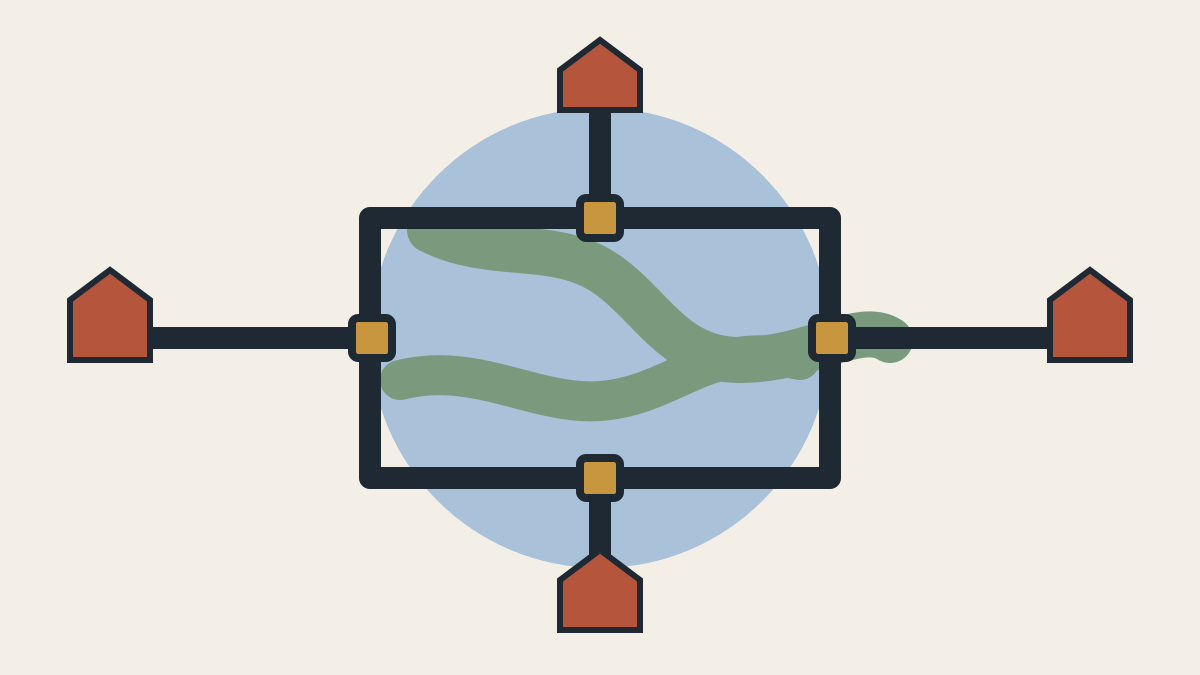
Every few years, a city discovers that the water mains under its streets are older than anyone alive. There is a flurry of hearings, a bond measure, a few months of torn-up intersections, and then the subject fades until the next break. We have a similar relationship with the infrastructure of the internet, except that we rarely get the hearings.
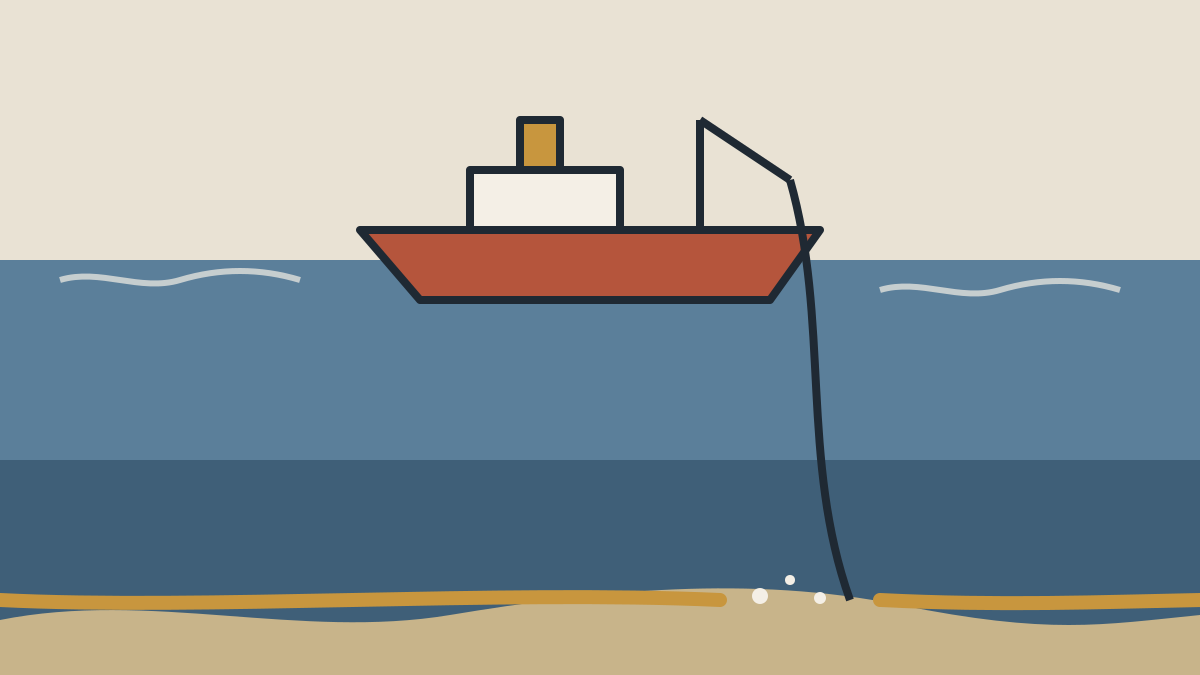
That is a mistake. The systems that move data around the world — undersea cables, exchange points, the routing protocols that decide which path a packet takes — are now as consequential as roads and power lines. When they fail, hospitals cannot pull records, payroll does not run and small businesses go dark. Yet most of the public debate about technology happens several layers above them, in arguments about social media feeds and chatbots.
The invisible layer
Part of the problem is that good infrastructure is invisible. A well-run network, like a well-run water system, is noticed only in its absence. The engineers who keep it working tend to speak in acronyms, and the institutions that coordinate it are a patchwork of companies, nonprofits and volunteer bodies that few voters could name.
That patchwork has served us remarkably well. The internet has absorbed decades of growth with fewer catastrophic failures than anyone predicted. But resilience is not an accident. It is the product of choices: to build redundant paths, to publish open standards, to share information about attacks rather than hoard it. Those choices can be unmade.
What a better conversation looks like
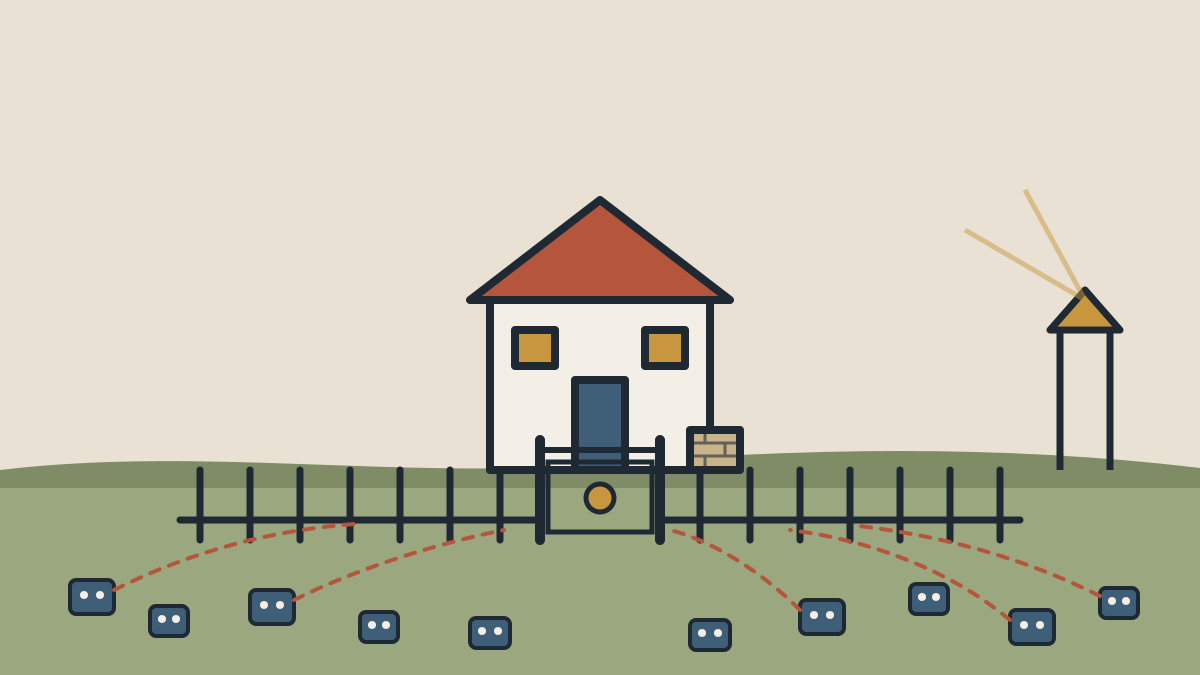
A public conversation about internet plumbing does not mean handing it to legislators to redesign. It means treating it as civic infrastructure worth understanding. Local governments could map which neighborhoods depend on a single fiber route. Schools could teach, at least once, how a web page actually arrives on a screen. Reporters could cover routing incidents with the same seriousness as a bridge closure.
It also means asking harder questions about concentration. When a handful of providers carry most of the world’s traffic, their engineering decisions become public policy by default. That is not inherently bad — many of those decisions have made the network faster and safer — but it should be visible and debated.
The cost of indifference
Indifference has a price. The cable that was never repaired because no one noticed it was the only one. The outdated protocol that lingered because upgrading it was nobody’s job. The rural county that waited a decade for a second connection because its residents did not know to ask.
We do not need everyone to become a network engineer. We need enough people to understand that the internet is built, maintained and governed by human beings making choices — and that those choices belong in the open.
Margaret Ellison is a contributing columnist for The Cloudflare Post.