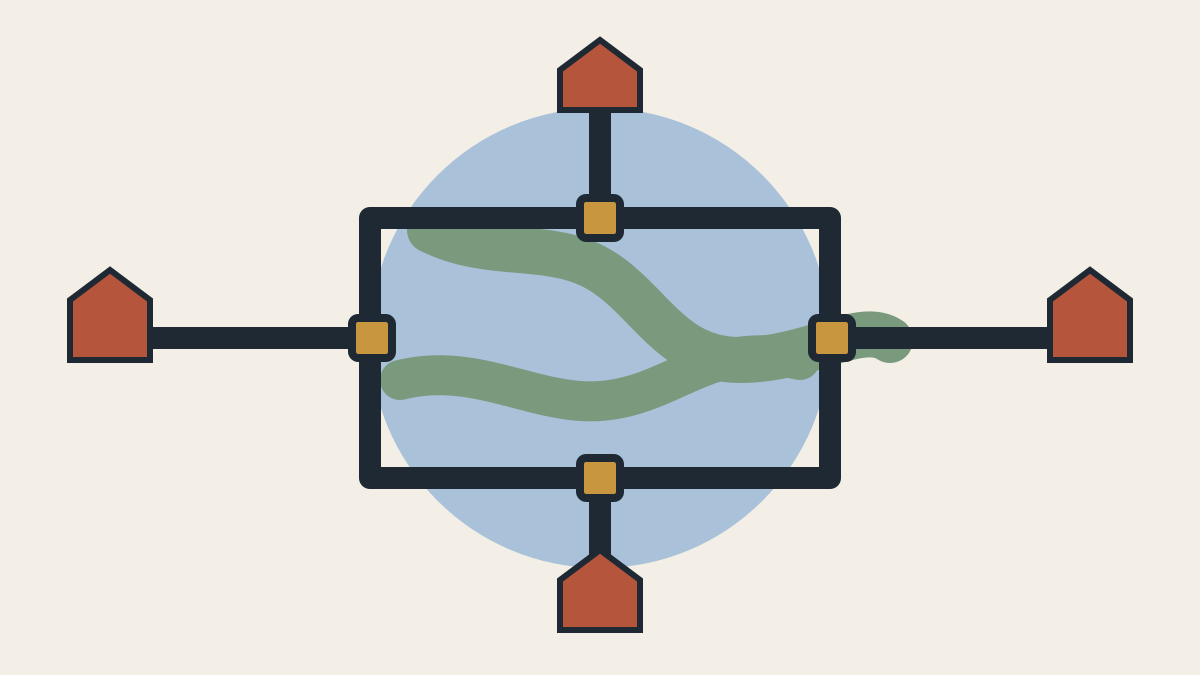
AI hacking tools are multiplying fast. Cloudflare says defenders need a new playbook.
Autonomous penetration-testing frameworks have grown from one project to more than 50 families in weeks, and the company is urging organizations to adopt what it calls the Modern Security Model.
Software that lets artificial-intelligence agents carry out cyberattacks with little human direction is spreading faster than defenders can adapt, according to new research from Cloudflare’s threat intelligence team.
A month ago, a single open-source framework called ARTEX dominated the category. Built to automate offensive security testing, it links AI agents to conventional penetration-testing tools so that they can map a target, probe for weaknesses and attempt exploits in parallel. Cloudflare said it has now seen more than 50 framework families scanning its customers in just three days, run from thousands of IP addresses, with request volume from these tools up roughly 30 times since Oct. 1.
A takedown that backfired
ARTEX’s creator removed the original repository on Oct. 8, writing that the tool’s malicious use ran “entirely counter to its original intent.” The removal, the researchers wrote, appears to have produced a hydra effect: there are now more than 12,000 related repositories, several hundred of them distinct forks, and traffic has grown more than tenfold since the takedown. ARTEX and its descendants account for over 60 percent of the AI-driven pentesting orchestrators Cloudflare currently tracks.
What makes the tools different, the authors argue, is not any single technique but autonomy. A framework can run every step of the observe-orient-decide-act loop on its own, run many agents at once, aim at several organizations simultaneously, and patiently test every exposed service until a small configuration mistake turns up.
Stolen keys, chained together
The research also describes incidents handled by Cloudflare’s Cloudforce One response team. In several cases, attackers who first compromised an organization’s account at a large cloud provider pivoted into its Cloudflare environment. The common thread was credential hygiene: static, non-expiring API tokens used in build pipelines, with broad access and no IP restrictions.
In one investigation, an ARTEX-driven intrusion created dozens of short-lived Worker scripts with names that mapped to their tasks, generated more than 69 requests per minute across the victim’s infrastructure, and issued about 400 database dump requests in an hour.
Six pillars
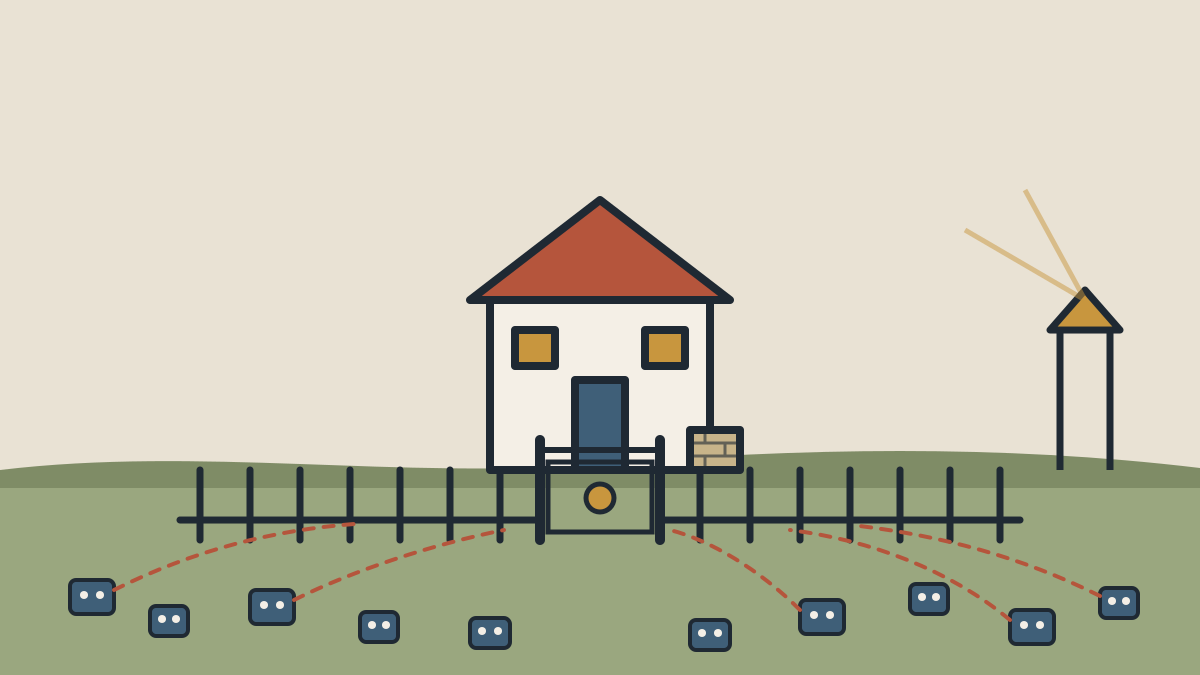
Cloudflare’s prescription, which it calls the Modern Security Model, is explained through the metaphor of protecting a house on an estate:
- Fortify the front gate with network traffic controls and a web application firewall with rate limits.
- Post a security station in the foyer that detects anomalous requests and tricks such as malformed paths.
- Identify phony visitors with bot defenses that spot machine-like behavior.
- Remove the back door by putting admin panels and other high-risk applications behind identity-gated access, and by segmenting networks to stop lateral movement.
- Inspect deliveries by validating API requests against schemas, requiring mutual TLS where appropriate and ending every ruleset with an explicit deny.
- Join a neighborhood watch through threat intelligence that flags new infrastructure before it reaches you.
The authors conclude that the classic perimeter-and-DMZ approach no longer holds when attackers can iterate at the speed of inference, and that containment-first designs matter most when credentials are routinely lost.
This story summarizes “Adapting to AI penetration testing orchestrators: The Modern Security Model,” published on the Cloudflare Blog on Nov. 13, 2026. Read the original for the full data, charts and tool comparison.