Small retailers bet on edge computing to survive holiday traffic spikes
Independent shops that once dreaded viral moments are moving their storefronts closer to customers — and finding the bills smaller than expected.
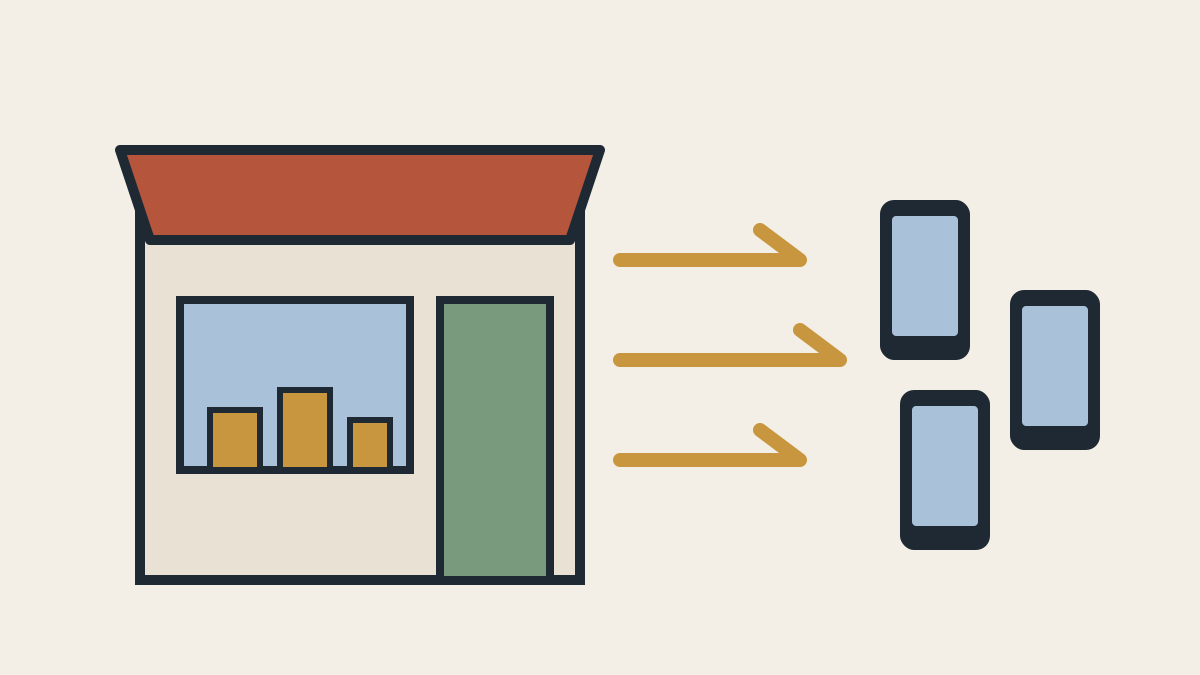
When a video of her hand-thrown mugs racked up four million views last December, Carla Benitez watched her online store go down within minutes. By the time it came back, the moment had passed.
“That was supposed to be the best day of my business,” said Benitez, who runs a two-person ceramics studio in Baltimore. “Instead I spent it on the phone with my hosting company.”
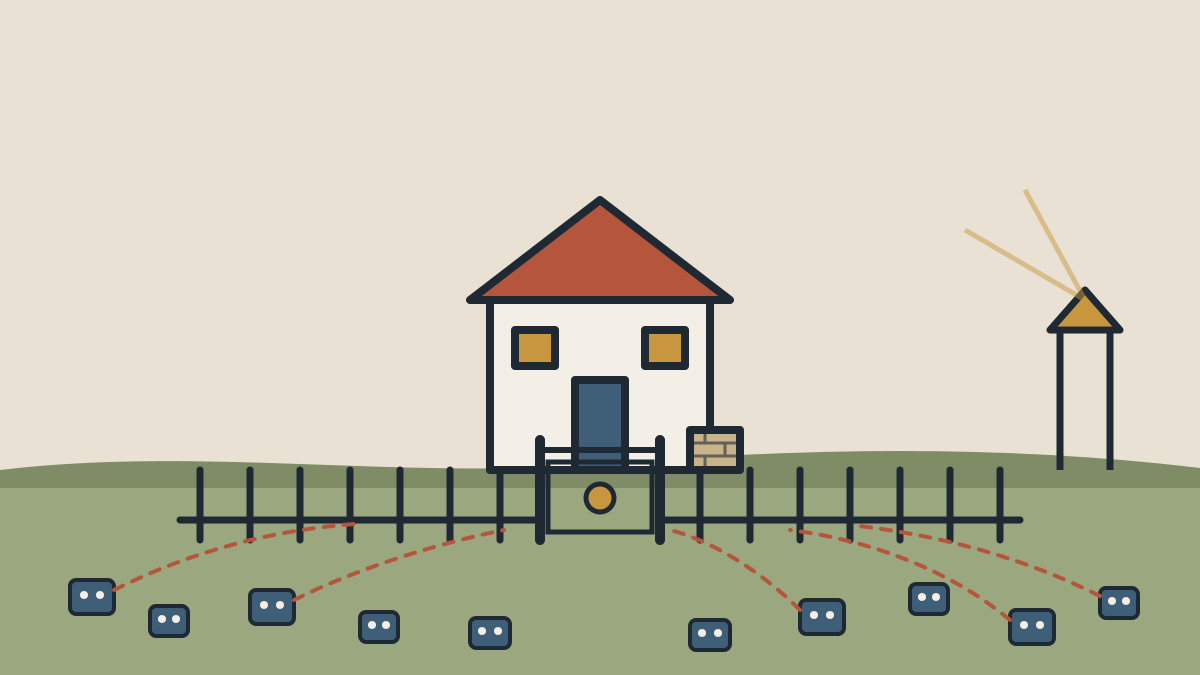
This year, Benitez is one of a growing number of small retailers who have rebuilt their online storefronts to run on edge networks — distributed systems that serve web pages from data centers close to each shopper rather than from a single server. The approach, once the domain of large companies, has become accessible to small businesses through simplified tools and usage-based pricing.
Why the edge matters
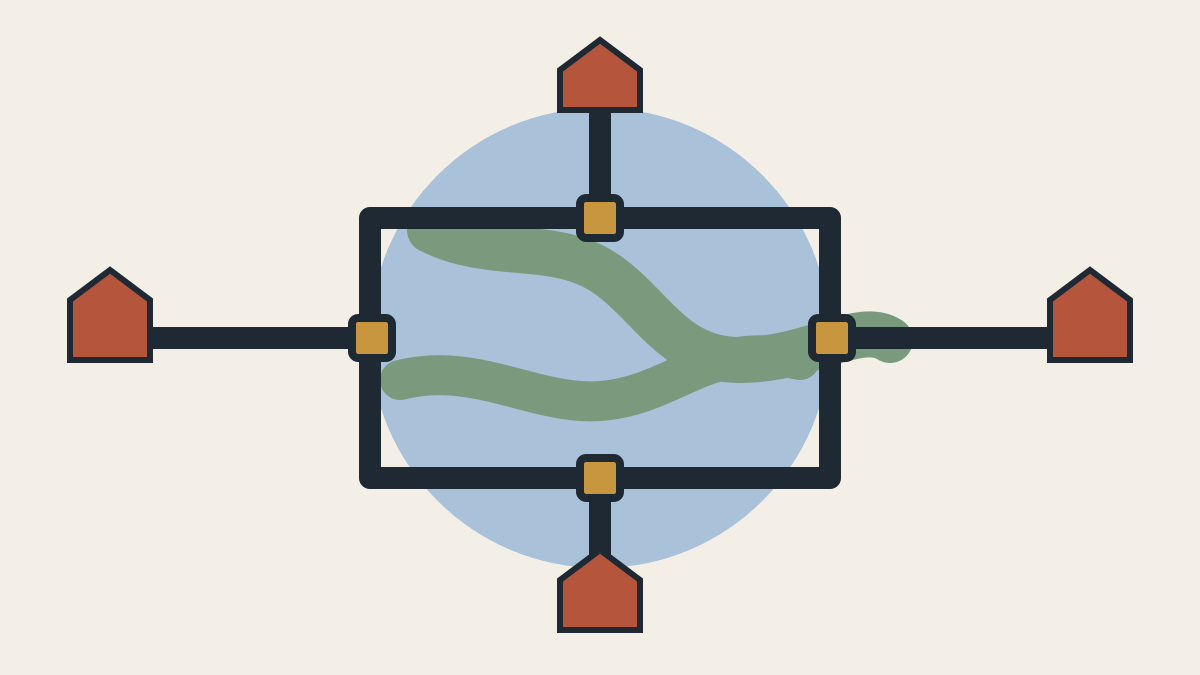
Traditional hosting places a website on one or a few machines. When traffic surges, those machines can be overwhelmed. Edge platforms copy a site’s static content — product images, descriptions, page layouts — to hundreds of locations, so a spike is absorbed across the network.
Dynamic pieces, like inventory counts and checkout, can increasingly run at the edge as well, using small programs that execute near the customer.
“For a lot of small shops, ninety percent of what a visitor sees doesn’t change minute to minute,” said a consultant who helps independent retailers migrate. “If you serve that from the edge, your origin server only has to handle the checkout. That’s the difference between going down and having your best day.”
Lower costs, new skills
Several retailers interviewed said their monthly hosting bills fell after the move, because they no longer paid for servers sized for peak traffic that sat idle most of the year. Others said costs were roughly flat but reliability improved.
The transition is not effortless. Shop owners described learning new deployment workflows and, in some cases, hiring freelance developers to restructure their sites. Some popular e-commerce plug-ins do not work well with edge architectures, forcing owners to choose between features and resilience.
Benitez said she spent about three weeks working with a developer to rebuild her store. She also adopted a practice common at larger companies: maintaining two copies of the site, so that updates can be tested on one while customers use the other.
“If something breaks, I just switch back,” she said. “I didn’t know that was a thing a business my size could do.”
Watching the calendar
Retail analysts expect online holiday sales to grow modestly this year, with an increasing share driven by social media discovery — exactly the kind of sudden attention that can overwhelm small sites.
Benitez has already scheduled her biggest product drop for the Saturday after Thanksgiving. “Bring it on,” she said.