As summers get hotter, data centers turn to rivers and recycled water
Facing drought and community pushback, operators are redesigning cooling systems — and rethinking where to build.
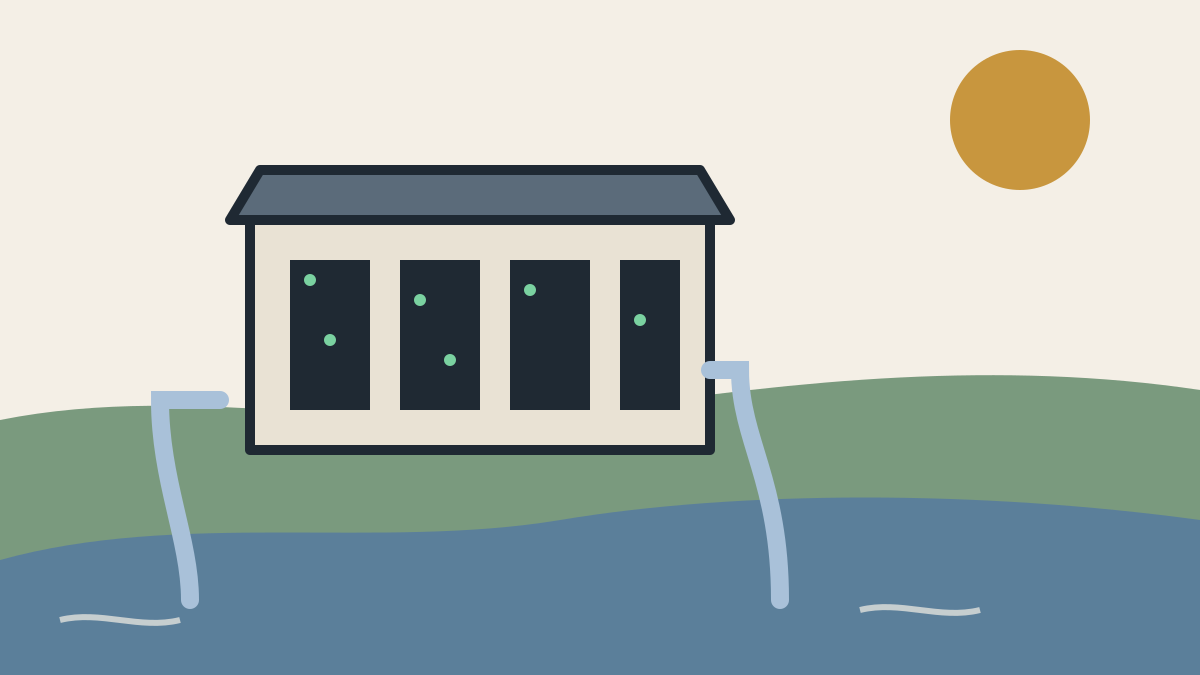
The data center outside town hums day and night, its rows of servers generating enough heat to warm a small neighborhood. Keeping those machines cool has traditionally meant evaporating large volumes of water — a practice that has drawn growing scrutiny in regions facing drought.
Now, under pressure from regulators and residents, operators are experimenting with alternatives: drawing cooling water from rivers and returning it nearly unchanged, using treated wastewater instead of drinking water, and designing systems that recirculate water in closed loops.
A growing footprint
Demand for computing power has surged with the expansion of cloud services and artificial intelligence. Industry analysts estimate that global data center electricity use could roughly double within a few years, and water consumption has risen alongside it.
In some communities, a single large facility can use as much water as tens of thousands of households during peak summer months. That has turned data center proposals into contentious local issues, with residents packing zoning meetings to ask whether their wells and reservoirs can handle the load.
“People want the jobs and the tax revenue,” said a county commissioner in a fast-growing region. “But they also want to know the taps won’t run dry in August.”
New designs
Several operators have begun using treated municipal wastewater for cooling, which reduces demand on drinking supplies. Others are adopting closed-loop systems that cool servers with liquid circulating through pipes, losing little water to evaporation, though often at the cost of higher electricity use.
River-cooled designs take water from a nearby river, pass it through heat exchangers and return it downstream. Environmental groups say such systems must be carefully regulated to prevent warming rivers enough to harm fish, especially during heat waves.
“There is no free lunch,” said a hydrologist who advises state regulators. “You can trade water for electricity or electricity for water. The question is which resource is scarcer where you are.”
Rethinking location
The pressures are also changing where companies choose to build. Cooler climates allow facilities to use outside air for much of the year. Sites near renewable power and abundant non-potable water have become more attractive.
Some companies have begun publishing water usage figures for individual facilities, a step advocates say is essential for meaningful oversight. Others still report only aggregated numbers.
Looking ahead
State legislatures in several drought-prone areas are considering rules that would require large water users, including data centers, to disclose consumption and submit conservation plans. Industry groups have generally supported disclosure while opposing hard caps.
For residents near the hum, the hope is simpler: that the next summer brings rain, and that the machines on the edge of town take only their share.